
Sky-High Art: Graffiti’s Rise with Drone Tech and Social Media
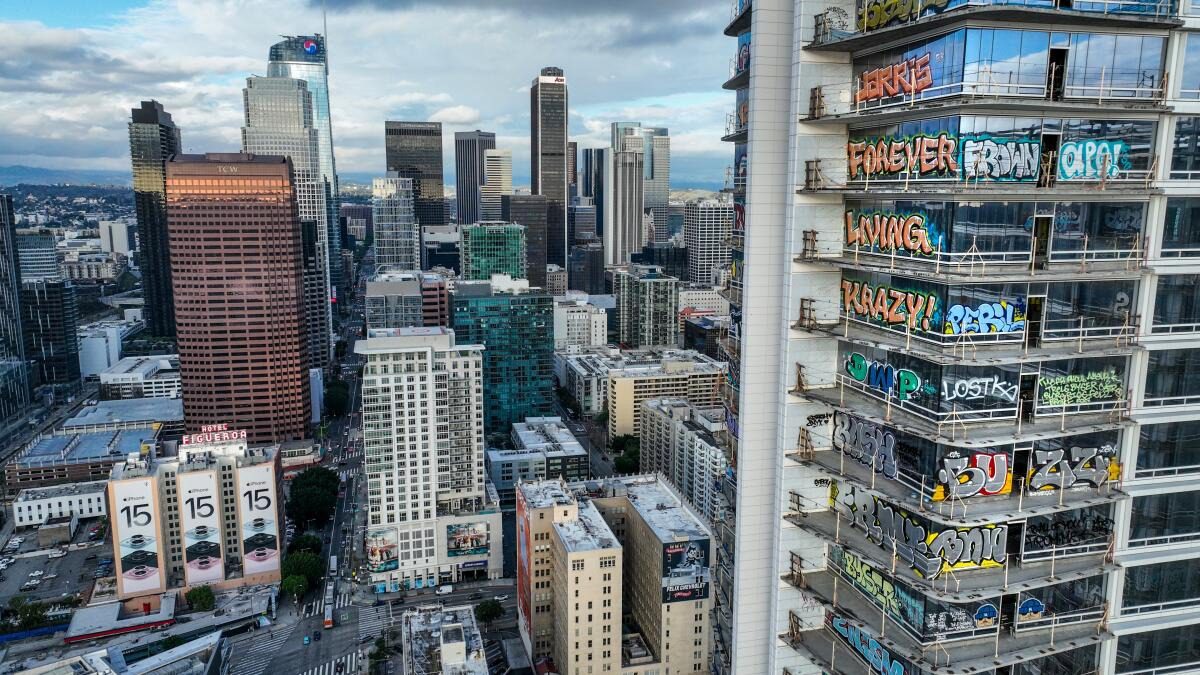
In the bustling heart of Downtown Los Angeles, where towering skyscrapers pierce the heavens, a new breed of artists is making their mark on the urban landscape. But these artists aren’t armed with cans of spray paint and stencils alone. Instead, they wield drones as their brushes, painting the sky with vivid strokes of color and creativity.
Graffiti, once confined to the walls of alleyways and abandoned buildings, has transcended its traditional boundaries in recent years. Thanks to advancements in drone technology and the ubiquity of social media platforms, graffiti artists are gaining unprecedented notoriety and reaching audiences on a global scale.
Take, for instance, the abandoned skyscraper in Downtown LA—a towering monument to urban decay that has become a canvas for these daring artists. What was once a forgotten relic of a bygone era now serves as a stage for an exhilarating dance between man and machine. Armed with drones equipped with high-powered cameras and precision controls, these artists take to the skies, transforming the dilapidated facade into a breathtaking work of art.
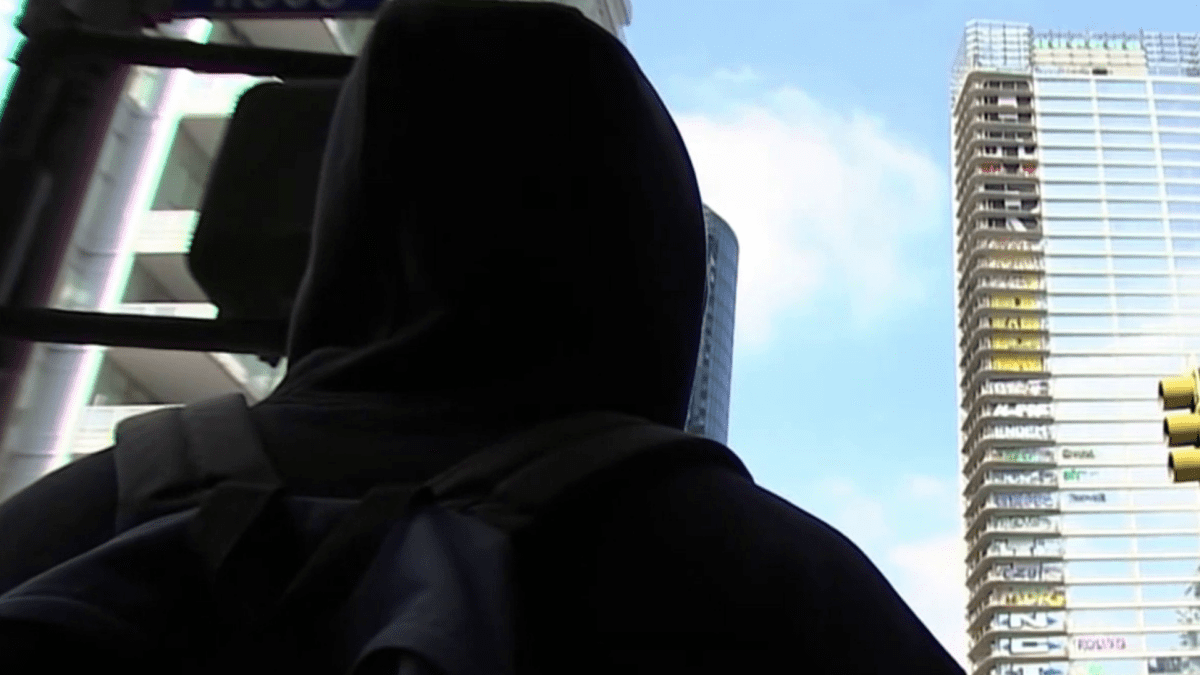
But it’s not just the act of painting these towering structures that captivates audiences—it’s the spectacle of it all. As drones buzz around the skyscraper, capturing every twist and turn, bystanders below are drawn in by the sheer audacity of the endeavor. Passersby stop in their tracks, their eyes glued to their smartphones as they watch the live stream unfold on social media platforms.
And therein lies the magic of this new form of graffiti. No longer confined to physical space, these artists transcend boundaries, both literal and figurative. Their creations are not just static images on a wall—they are living, breathing works of art that capture the imagination of millions around the world.
But with this newfound fame comes controversy. Critics argue that these artists are merely vandals, defacing public property for their own selfish gain. Yet, proponents counter that graffiti has always been a form of self-expression—a way for marginalized voices to be heard in a world that often ignores them.
In the end, perhaps the true beauty of graffiti lies not in the legality of its execution, but in the emotions it evokes and the conversations it sparks. As drones continue to soar ever higher and social media platforms connect us in ways we never thought possible, one thing is clear: the sky is no longer the limit for graffiti artists in the future.


%20%5Bcover%20art%5D.JPG)


No comments